What is BPC-157 (Guide)
What is BPC-157 (Guide)
Overview of BPC-157
BPC-157 is a synthetic pentadecapeptide composed of 15 amino acids. The acronym stands for Body Protection Compound, and researchers derived its sequence from a protein found naturally in human gastric juice. Unlike many peptides studied in laboratory settings, BPC-157 demonstrates notable stability in gastric acid and retains bioactivity when administered orally or via injection in animal models. This stability has made it a subject of sustained preclinical investigation into tissue repair, cytoprotection, and systemic healing mechanisms across multiple organ systems.
Mechanism of Action
Research suggests BPC-157 exerts its effects through several interconnected biological pathways. Studies in rodent models indicate it upregulates growth hormone receptor expression and modulates nitric oxide synthesis, both of which play roles in vascular repair and wound resolution. The peptide also appears to interact with dopaminergic and serotonergic signaling, which may account for the behavioral and neurological effects observed in certain preclinical models.
Angiogenesis and Tissue Repair
One of the more consistently reported findings in BPC-157 research is its influence on angiogenesis, the formation of new blood vessels. In tendon and ligament injury models, administration of the peptide has been associated with accelerated collagen organization and increased vascularization at wound sites. Researchers hypothesize this proangiogenic activity is a key driver of the faster functional recovery documented in these studies, particularly in dense connective tissues that naturally receive poor blood supply.
Cytoprotective Properties
Beyond mechanical tissue repair, preclinical data points to direct cytoprotective properties. In gastric ulcer models, BPC-157 has demonstrated a capacity to protect mucosal lining from NSAID-induced damage and ethanol-induced lesions. These findings carry particular relevance because the peptide sequence was originally isolated from a gastric protein, suggesting a possible evolutionary context for its protective role in the digestive tract.
Areas of Preclinical Research
The breadth of bpc157 research is unusually wide for a single compound. Animal studies have examined its potential across a range of injury and disease models:
- Tendon, ligament, and skeletal muscle injury repair
- Inflammatory bowel conditions and gastrointestinal ulceration
- Bone fracture and surgical wound recovery
- Traumatic brain injury and spinal cord damage models
- Peripheral nerve regeneration
Across these contexts, BPC-157 has generally shown a favorable safety profile in animal studies. Researchers have reported no observable LD50 even at elevated doses in rodent models, meaning a lethal dose threshold was not established. This absence of toxicity findings has contributed to the scientific community's ongoing interest, though it does not replace the need for rigorous, controlled human clinical trials before any conclusions about human safety can be drawn.
Administration in Research Models
In published animal studies, BPC-157 is typically administered via subcutaneous or intramuscular injection, or delivered orally by mixing into drinking water. Effective doses in rodent research commonly fall in the range of 1 to 10 micrograms per kilogram of body weight. The peptide's documented gastric stability means oral administration has shown efficacy in several gastrointestinal models, a relatively uncommon property among research peptides that typically degrade in the digestive tract before reaching systemic circulation.
Dosing data from animal studies does not translate directly to human applications. No standardized clinical dosing protocols exist, and researchers continue to investigate pharmacokinetics and bioavailability in more complex biological systems. The information available remains almost entirely preclinical, and any exploration outside a formal research setting carries significant uncertainty.
Current Status and Research Outlook
As of current available literature, BPC-157 has not received approval from the FDA or equivalent regulatory agencies for therapeutic use in humans. It is classified as a research peptide and is commercially available for laboratory research purposes only. A growing body of peer-reviewed animal studies has been published across multiple research groups, and interest in progressing toward human trials has been noted in the scientific community, though formal Phase I or Phase II trials remain limited.
Researchers are particularly interested in whether the peptide's combined angiogenic, anti-inflammatory, and cytoprotective properties could address conditions where conventional treatments show limited efficacy, such as chronic tendinopathy or treatment-resistant gastrointestinal disorders. The full therapeutic potential of bpc157 and its safety profile in human subjects remain active and open areas of inquiry. All content on this site is intended for informational and research purposes only and does not constitute medical advice.
Recommended products
- #1
 30 capsules.webp) Bpc 157
Bpc 157BPC-157 Capsules (500mcg)
Best Seller(50)BPC-157 Capsules offer a revolutionary approach to body recovery and tissue repair in a highly convenient oral format. Known as the "Body Protection Compound," BPC-157 is a sequence of 15 amino acids that triggers profound regenerative processes within the human body. Our premium
- HPLC ≥99%
- 3rd-party tested
- Free shipping
$70.00Order - #2
 60 capsules.webp) Bpc 157
Bpc 157BPC-157 Capsules (500mcg)
Most Popular(87)Many people reach for Ibuprofen or other NSAIDs to manage pain, but these can often damage the gut lining and slow down actual tissue repair. BPC-157 Capsules offer a smarter, healthier alternative. Instead of merely masking pain, BPC-157 works as a biological repair signal that
- HPLC ≥99%
- 3rd-party tested
- Free shipping
$130.00Order - #3
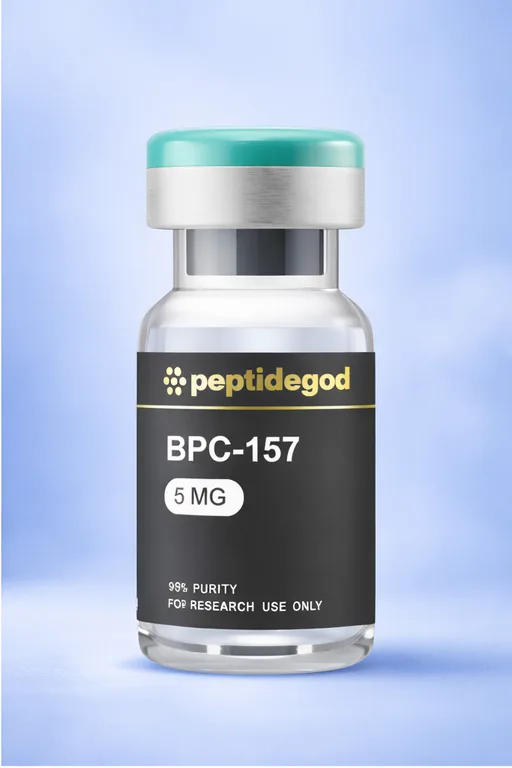 Bpc 157
BPC 157 Peptide
Best Value(124)In the high-intensity world of bodybuilding and strength sports, the joints and ligaments often fail before the muscles do. BPC-157 Vials are a staple in the protocols of elite strength athletes who need to keep their frame resilient under massive loads. Heavy lifting causes micr
- HPLC ≥99%
- 3rd-party tested
- Free shipping
$35.00Order - #4
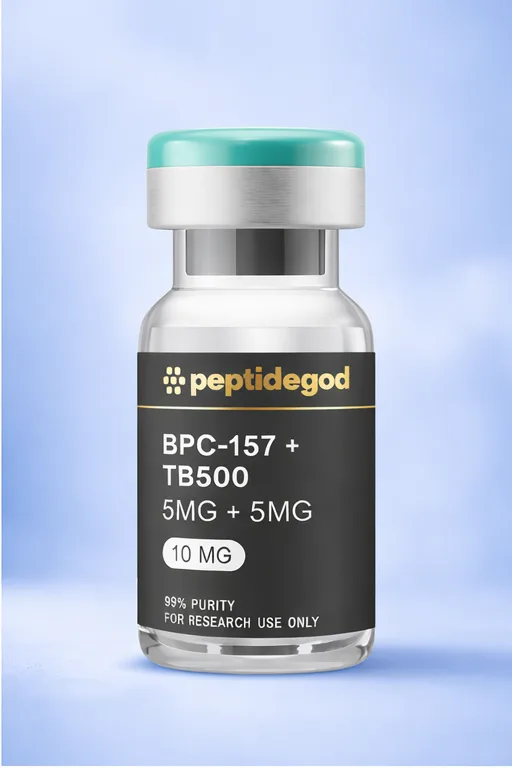 Bpc 157
BPC-157 + TB500 5 MG + 5 MG (TOTAL 10 MG
Top Stack(161)BPC-157 Vials are designed for those who need an immediate and powerful biological signal for tissue repair. As a lyophilized powder, this peptide remains in a state of suspended animation, preserving its delicate 15-amino-acid chain until the moment of reconstitution. Once injec
- HPLC ≥99%
- 3rd-party tested
- Free shipping
$60.00Order - #5
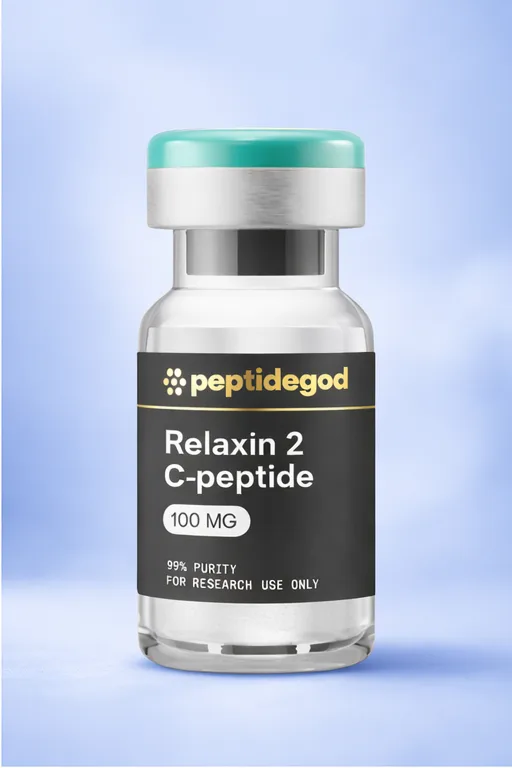 Bpc 157
Relaxin 2 C-peptide (56-129) (Human)
Editor’s Pick(198)Human Relaxin 2 C-peptide (56-129) is a specialized research tool designed for investigating cardiovascular hemodynamics and tissue remodeling. As a key fragment of the prorelaxin molecule, this peptide is essential for studies involving vasodilation and heart failure management.
- HPLC ≥99%
- 3rd-party tested
- Free shipping
$428.00Order - #6Bpc 157
Relaxin 2 (Human)
New(235)Relaxin 2 (Human) is a potent pleiotropic hormone renowned for its significant impact on cardiovascular hemodynamics. As the mature form of the relaxin-2 peptide, it plays a critical role in regulating systemic vascular resistance and improving cardiac output. Researchers utilize
- HPLC ≥99%
- 3rd-party tested
- Free shipping
$475.00Order - #7
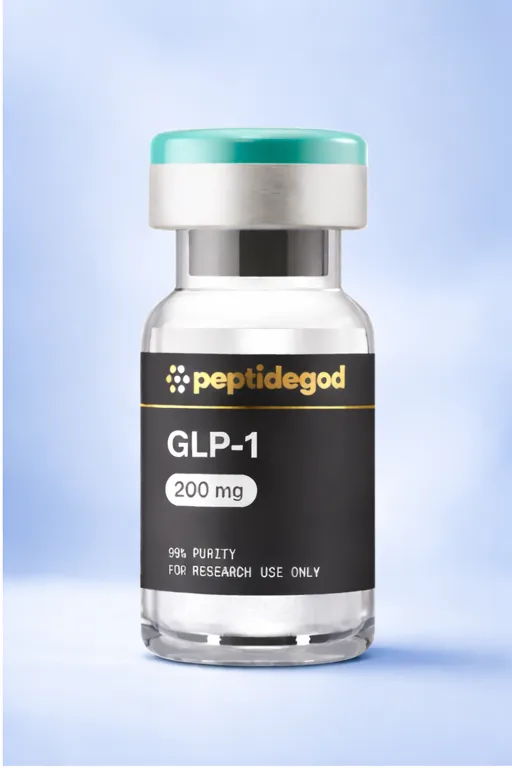 Bpc 157
GLP-1 (Human, Rat, Mouse, Porcine, Bovine, Canine, Ovine)
Trending(52)Human GLP-1 (Glucagon-Like Peptide-1) is a critical incretin hormone essential for studying glucose-dependent insulin secretion. This mature peptide is the primary focus for researchers investigating Type 2 Diabetes (T2D) treatments. Our lyophilized vials contain high-purity Huma
- HPLC ≥99%
- 3rd-party tested
- Free shipping
$104.00Order
See top-rated vendors
Compare prices, purity and shipping at a glance.
Reviewed by the Bpc 157 Research Team · Last updated May 2026
References & Scientific Sources
- Chang C-H, et al. Pentadecapeptide BPC 157 enhances tendon fibroblast outgrowth. J Appl Physiol. 2011.
- Sikiric P, et al. BPC 157 and standard angiogenic growth factors. Curr Pharm Des. 2018.
- Seiwerth S, et al. BPC 157 and blood-vessel recruitment in healing. Curr Pharm Des. 2018.
Sources are provided for educational reference. This content is informational and not a substitute for professional medical advice.