Is BPC-157 Legal in the US?
Is BPC-157 Legal in the US?
The Short Answer: It Depends on How It Is Used
BPC-157 occupies a complicated legal position in the United States. The peptide is not approved by the Food and Drug Administration as a drug, and it has no current status as a licensed pharmaceutical or dietary supplement. However, it is not a controlled substance under the Controlled Substances Act, and it is not explicitly banned for purchase or possession. What determines its legality in practice is the context in which it is used, sold, or marketed.
For researchers and laboratories, bpc157 exists in a legal gray zone that has become familiar territory for many synthetic peptides. It can be legally synthesized, sold, and purchased for in vitro research and animal studies. The moment a vendor makes therapeutic or clinical claims about it for human use, however, they cross into territory regulated by the FDA.
FDA Classification and Regulatory History
The FDA has not approved BPC-157 for any indication in humans. It has never completed Phase III clinical trials in the United States, and no New Drug Application has been submitted and accepted for it. This means it cannot legally be prescribed by physicians, dispensed by pharmacies, or sold as a treatment for any condition.
In 2022, the FDA issued guidance that effectively removed BPC-157 and several other peptides from the list of substances that compounding pharmacies could include in their preparations. Prior to this guidance, some compounding pharmacies had been preparing injectable BPC-157 for practitioners who used it off-label. The FDA's position is that substances without approved drug status cannot be compounded under Sections 503A and 503B of the Federal Food, Drug, and Cosmetic Act unless they appear on specific agency-approved lists. BPC-157 does not.
This regulatory action did not make possession illegal, but it significantly narrowed the legal pathways through which patients could obtain a medically supervised, pharmaceutical-grade preparation.
Research Use Versus Human Use
The legal distinction that matters most in the current US regulatory environment is the difference between research-grade peptides and clinical-grade drugs. Vendors selling bpc157 as a research chemical for laboratory use are generally operating within existing law, provided they do not make claims about human health benefits on their labeling or marketing materials.
This is why reputable peptide suppliers consistently label their products "for research use only, not for human consumption." That language is not merely a disclaimer — it is the legal foundation on which the sale is conducted. Misrepresenting a research peptide as a therapeutic product would constitute selling an unapproved drug, which carries significant federal penalties.
What Researchers Can Legally Do
- Purchase BPC-157 from a licensed research chemical supplier for in vitro or animal model studies
- Use it in academic or private laboratory settings under standard research protocols
- Publish findings from preclinical studies without regulatory restriction
- Import small quantities for personal research under certain customs guidelines, though this carries risk
State-Level Considerations
Federal law sets the baseline, but state law can add additional layers of restriction. Some states have their own regulations on peptide sales, compounding pharmacy practices, or the scope of what practitioners can administer. States like Texas and Florida have historically had more permissive compounding pharmacy environments, while others follow federal guidance more strictly. Anyone operating in a clinical or commercial capacity with BPC-157 should consult state pharmacy board rules in addition to federal FDA guidance.
For individual researchers and end consumers, state-level prosecution for simple possession of a non-controlled research peptide is rare and largely uncharted legally. The risk exposure is primarily on the commercial side, where vendors and practitioners face the most scrutiny.
What This Means for the Research Community
The legal landscape around bpc157 is unlikely to resolve cleanly until a sponsor completes the full FDA approval pathway — a costly process that has not been pursued for this peptide. Until that happens, the research community operates under ongoing ambiguity.
The practical implication is that researchers sourcing BPC-157 for legitimate scientific inquiry should prioritize vendors who provide certificates of analysis, use third-party testing, and maintain compliant labeling. These standards do not just reflect quality — they reflect legal posture. A supplier operating transparently within the research-use framework is far less likely to face regulatory disruption than one making unsupported clinical claims.
BPC-157 remains one of the most studied synthetic peptides in preclinical literature, with published research covering gastric ulcer models, tendon repair, and neurological injury in animal subjects. That body of evidence is what drives continued interest in it as a research compound. The regulatory uncertainty does not diminish the scientific questions being asked — it simply shapes the legal context in which those questions can be pursued.
Recommended products
- #1
 30 capsules.webp) Bpc 157
Bpc 157BPC-157 Capsules (500mcg)
Best Seller(50)BPC-157 Capsules offer a revolutionary approach to body recovery and tissue repair in a highly convenient oral format. Known as the "Body Protection Compound," BPC-157 is a sequence of 15 amino acids that triggers profound regenerative processes within the human body. Our premium
- HPLC ≥99%
- 3rd-party tested
- Free shipping
$70.00Order - #2
 60 capsules.webp) Bpc 157
Bpc 157BPC-157 Capsules (500mcg)
Most Popular(87)Many people reach for Ibuprofen or other NSAIDs to manage pain, but these can often damage the gut lining and slow down actual tissue repair. BPC-157 Capsules offer a smarter, healthier alternative. Instead of merely masking pain, BPC-157 works as a biological repair signal that
- HPLC ≥99%
- 3rd-party tested
- Free shipping
$130.00Order - #3
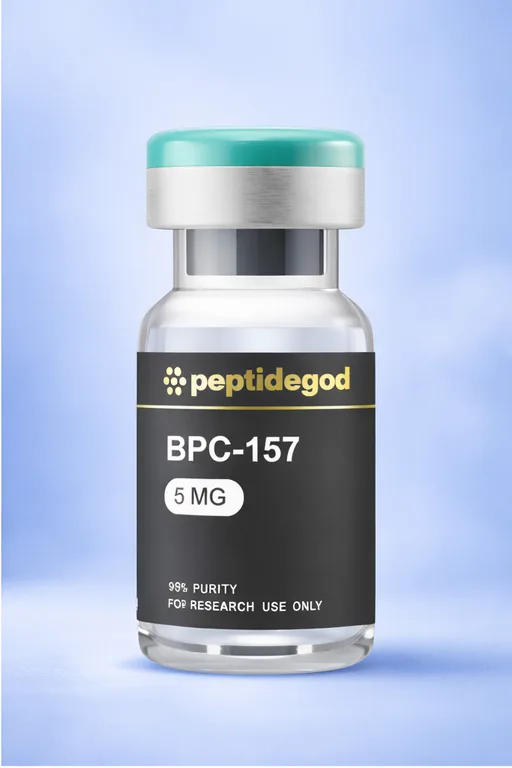 Bpc 157
BPC 157 Peptide
Best Value(124)In the high-intensity world of bodybuilding and strength sports, the joints and ligaments often fail before the muscles do. BPC-157 Vials are a staple in the protocols of elite strength athletes who need to keep their frame resilient under massive loads. Heavy lifting causes micr
- HPLC ≥99%
- 3rd-party tested
- Free shipping
$35.00Order - #4
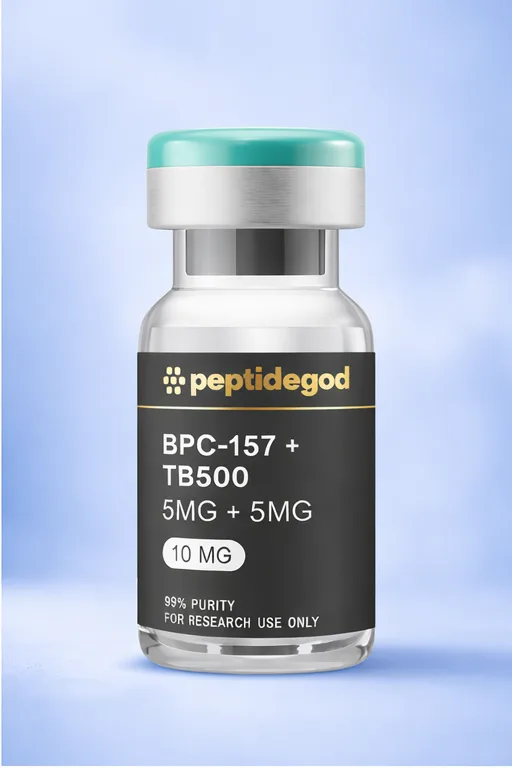 Bpc 157
BPC-157 + TB500 5 MG + 5 MG (TOTAL 10 MG
Top Stack(161)BPC-157 Vials are designed for those who need an immediate and powerful biological signal for tissue repair. As a lyophilized powder, this peptide remains in a state of suspended animation, preserving its delicate 15-amino-acid chain until the moment of reconstitution. Once injec
- HPLC ≥99%
- 3rd-party tested
- Free shipping
$60.00Order - #5
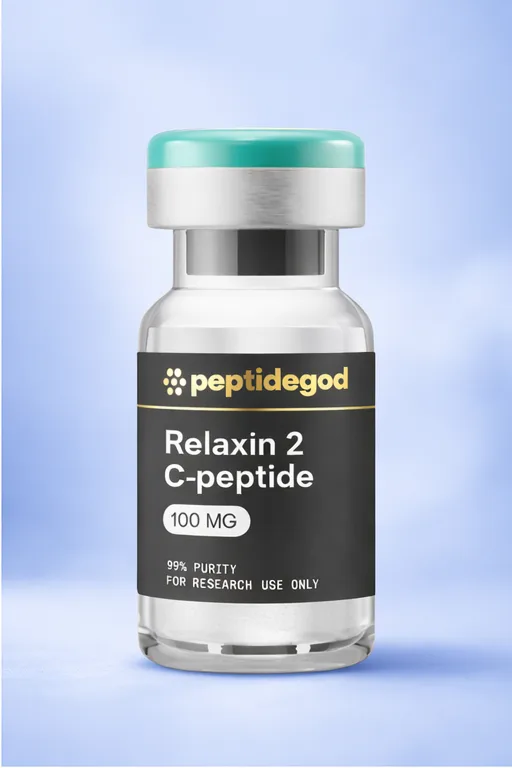 Bpc 157
Relaxin 2 C-peptide (56-129) (Human)
Editor’s Pick(198)Human Relaxin 2 C-peptide (56-129) is a specialized research tool designed for investigating cardiovascular hemodynamics and tissue remodeling. As a key fragment of the prorelaxin molecule, this peptide is essential for studies involving vasodilation and heart failure management.
- HPLC ≥99%
- 3rd-party tested
- Free shipping
$428.00Order - #6Bpc 157
Relaxin 2 (Human)
New(235)Relaxin 2 (Human) is a potent pleiotropic hormone renowned for its significant impact on cardiovascular hemodynamics. As the mature form of the relaxin-2 peptide, it plays a critical role in regulating systemic vascular resistance and improving cardiac output. Researchers utilize
- HPLC ≥99%
- 3rd-party tested
- Free shipping
$475.00Order - #7
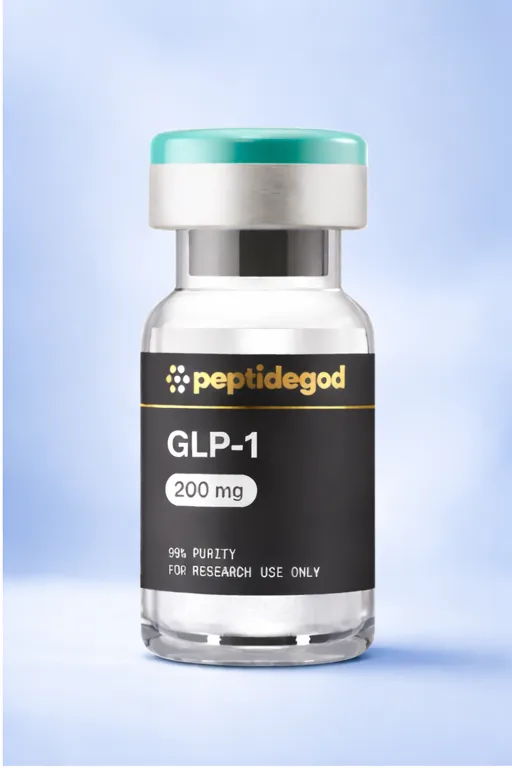 Bpc 157
GLP-1 (Human, Rat, Mouse, Porcine, Bovine, Canine, Ovine)
Trending(52)Human GLP-1 (Glucagon-Like Peptide-1) is a critical incretin hormone essential for studying glucose-dependent insulin secretion. This mature peptide is the primary focus for researchers investigating Type 2 Diabetes (T2D) treatments. Our lyophilized vials contain high-purity Huma
- HPLC ≥99%
- 3rd-party tested
- Free shipping
$104.00Order
See top-rated vendors
Compare prices, purity and shipping at a glance.
Reviewed by the Bpc 157 Research Team · Last updated May 2026
References & Scientific Sources
- Chang C-H, et al. Pentadecapeptide BPC 157 enhances tendon fibroblast outgrowth. J Appl Physiol. 2011.
- Sikiric P, et al. BPC 157 and standard angiogenic growth factors. Curr Pharm Des. 2018.
- Seiwerth S, et al. BPC 157 and blood-vessel recruitment in healing. Curr Pharm Des. 2018.
Sources are provided for educational reference. This content is informational and not a substitute for professional medical advice.