BPC-157 Side Effects Explained
BPC-157 Side Effects Explained
What Current Research Tells Us About Safety
BPC-157 is a synthetic pentadecapeptide derived from a protein found in gastric juice. Researchers have investigated it primarily for its regenerative properties in connective tissue, tendons, muscles, and the gastrointestinal tract. Given this growing interest, understanding its safety profile is essential before any research application is considered. Most of the available evidence comes from animal studies, as large-scale human clinical trials remain limited. That said, the data collected so far paints a relatively tolerable picture compared to many other compounds studied in similar contexts.
Within preclinical research, bpc157 has been administered through multiple routes including oral gavage, subcutaneous injection, and intraperitoneal injection across a range of species. Across these studies, researchers have generally observed a low incidence of adverse events at therapeutic-range doses, though the absence of evidence is not the same as evidence of absence. Extrapolating animal data to human physiology carries inherent limitations that any researcher must weigh carefully.
Commonly Reported Side Effects in Research Subjects
While BPC-157 does not carry the same well-documented adverse-effect profile as approved pharmaceuticals, anecdotal reports from human self-experimentation and observational data suggest a set of effects that appear with some consistency. These should be understood as preliminary signals, not confirmed findings from controlled human trials.
- Nausea or mild gastrointestinal discomfort, particularly with oral administration at higher doses
- Dizziness or lightheadedness shortly after subcutaneous or intramuscular injection
- Injection-site reactions including localized redness, swelling, or transient soreness
- Fatigue or a transient feeling of heaviness in the hours following administration
- Vivid dreams or mild sleep disturbances reported anecdotally in some individuals
The mechanisms behind these effects are not fully characterized. The dizziness observed post-injection may relate to the peptide's known influence on nitric oxide pathways, which modulate vascular tone. The gastrointestinal effects with oral dosing could reflect local receptor activity in the gut lining where BPC-157's parent protein originates.
Theoretical Risks Based on Mechanism of Action
Growth Factor Modulation
BPC-157 appears to upregulate growth hormone receptors and interact with several signaling pathways involved in cellular proliferation. This has raised theoretical concerns about whether long-term use could have unintended effects in tissues with high cell turnover. No direct evidence from animal studies has demonstrated tumor promotion, but the absence of long-duration carcinogenicity studies means this theoretical risk cannot be fully dismissed. Researchers examining bpc157 in oncology-adjacent contexts should factor this uncertainty into study design.
Dopaminergic and GABAergic Interactions
Several studies have noted that BPC-157 interacts with both dopamine and GABA systems in the central nervous system. While this is part of the reason it is investigated for neuroprotective and anxiolytic properties, it also introduces the possibility of mood-related effects. Some human anecdotal reports describe transient changes in emotional tone, motivation, or anxiety levels during use. Whether these represent pharmacological activity or expectation effects is unknown without blinded clinical data.
Dose-Dependent Considerations
A recurring finding in preclinical research is that BPC-157 exhibits dose-dependent efficacy but does not appear to follow a simple linear dose-toxicity relationship. Some studies show that very high doses do not proportionally increase benefits and may introduce more variability in outcomes. In rodent models, doses ranging from 1 to 10 micrograms per kilogram of body weight are most commonly investigated. Translating these figures to human-equivalent doses using standard body surface area calculations yields relatively modest amounts, which aligns with the generally low adverse-event signals seen at research-relevant concentrations.
Administration route also influences the risk profile. Subcutaneous injection bypasses first-pass metabolism and delivers the peptide more directly into systemic circulation, which may intensify both effects and side effects compared to oral administration, where substantial degradation likely occurs in the digestive tract before absorption.
What Researchers and Informed Readers Should Keep in Mind
The current literature on BPC-157 safety is encouraging but incomplete. The most responsible conclusion is that the compound appears to have a favorable short-term safety profile in animal models, with limited human data supporting tolerability at low doses. Long-term effects, drug interactions, and population-specific risks remain poorly characterized. Individuals reviewing this research should note that peptide purity and storage conditions significantly affect what a given sample actually delivers, introducing another variable into any real-world assessment.
As with all research peptides, the information presented here is strictly for educational and scientific reference. It does not constitute medical advice, a treatment recommendation, or an endorsement of any specific use. Anyone evaluating bpc157 in a research context should consult current literature, institutional review standards, and qualified professionals before proceeding.
Recommended products
- #1
 30 capsules.webp) Bpc 157
Bpc 157BPC-157 Capsules (500mcg)
Best Seller(50)BPC-157 Capsules offer a revolutionary approach to body recovery and tissue repair in a highly convenient oral format. Known as the "Body Protection Compound," BPC-157 is a sequence of 15 amino acids that triggers profound regenerative processes within the human body. Our premium
- HPLC ≥99%
- 3rd-party tested
- Free shipping
$70.00Order - #2
 60 capsules.webp) Bpc 157
Bpc 157BPC-157 Capsules (500mcg)
Most Popular(87)Many people reach for Ibuprofen or other NSAIDs to manage pain, but these can often damage the gut lining and slow down actual tissue repair. BPC-157 Capsules offer a smarter, healthier alternative. Instead of merely masking pain, BPC-157 works as a biological repair signal that
- HPLC ≥99%
- 3rd-party tested
- Free shipping
$130.00Order - #3
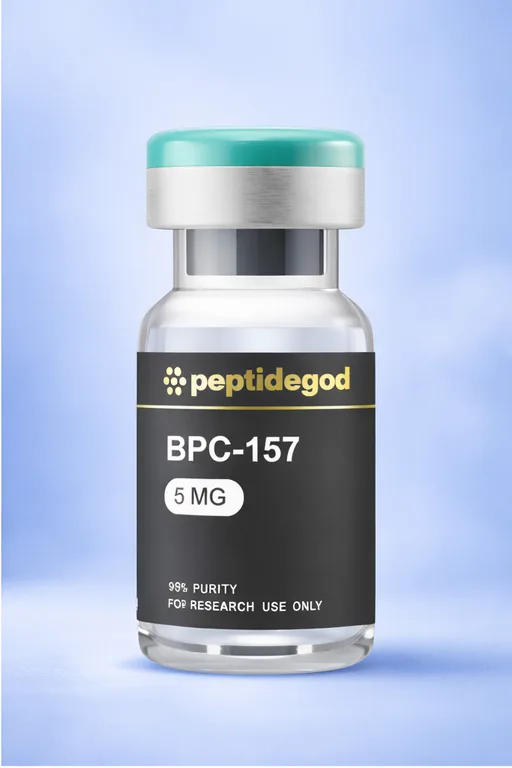 Bpc 157
BPC 157 Peptide
Best Value(124)In the high-intensity world of bodybuilding and strength sports, the joints and ligaments often fail before the muscles do. BPC-157 Vials are a staple in the protocols of elite strength athletes who need to keep their frame resilient under massive loads. Heavy lifting causes micr
- HPLC ≥99%
- 3rd-party tested
- Free shipping
$35.00Order - #4
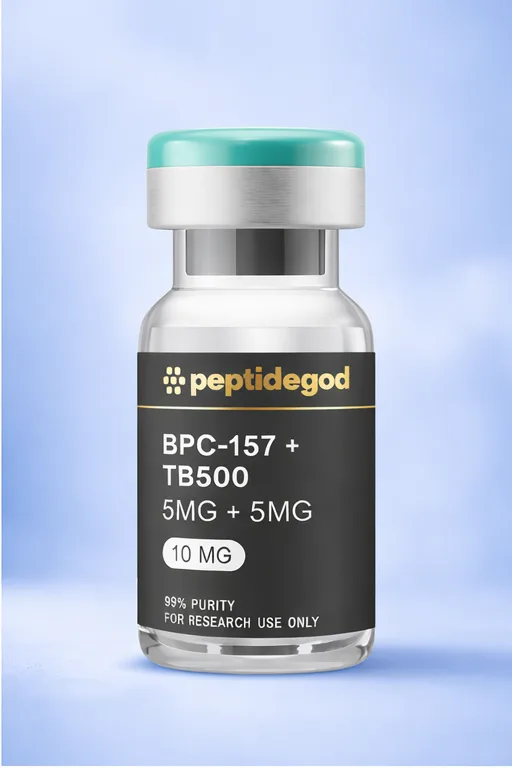 Bpc 157
BPC-157 + TB500 5 MG + 5 MG (TOTAL 10 MG
Top Stack(161)BPC-157 Vials are designed for those who need an immediate and powerful biological signal for tissue repair. As a lyophilized powder, this peptide remains in a state of suspended animation, preserving its delicate 15-amino-acid chain until the moment of reconstitution. Once injec
- HPLC ≥99%
- 3rd-party tested
- Free shipping
$60.00Order - #5
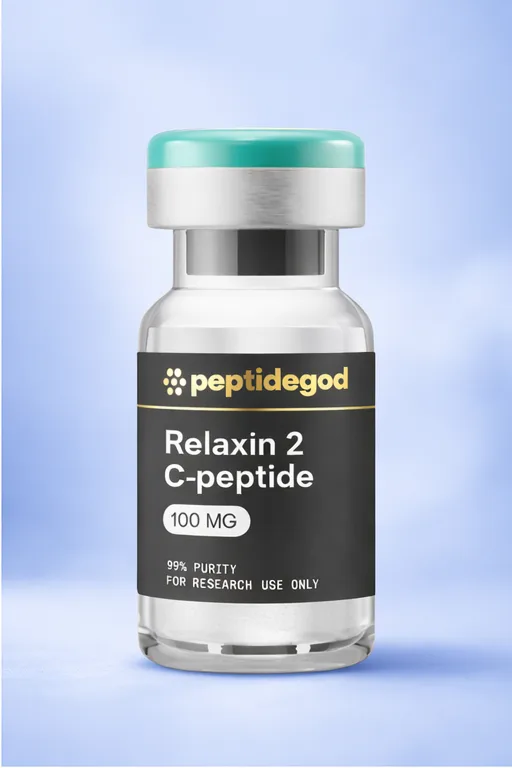 Bpc 157
Relaxin 2 C-peptide (56-129) (Human)
Editor’s Pick(198)Human Relaxin 2 C-peptide (56-129) is a specialized research tool designed for investigating cardiovascular hemodynamics and tissue remodeling. As a key fragment of the prorelaxin molecule, this peptide is essential for studies involving vasodilation and heart failure management.
- HPLC ≥99%
- 3rd-party tested
- Free shipping
$428.00Order - #6Bpc 157
Relaxin 2 (Human)
New(235)Relaxin 2 (Human) is a potent pleiotropic hormone renowned for its significant impact on cardiovascular hemodynamics. As the mature form of the relaxin-2 peptide, it plays a critical role in regulating systemic vascular resistance and improving cardiac output. Researchers utilize
- HPLC ≥99%
- 3rd-party tested
- Free shipping
$475.00Order - #7
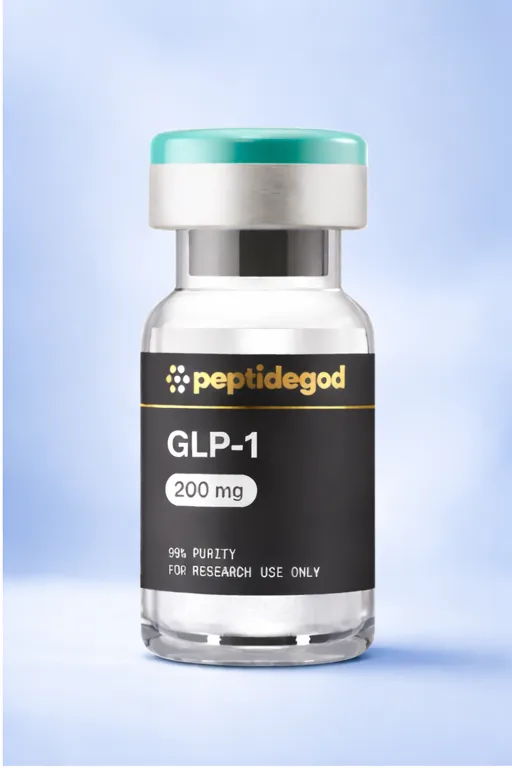 Bpc 157
GLP-1 (Human, Rat, Mouse, Porcine, Bovine, Canine, Ovine)
Trending(52)Human GLP-1 (Glucagon-Like Peptide-1) is a critical incretin hormone essential for studying glucose-dependent insulin secretion. This mature peptide is the primary focus for researchers investigating Type 2 Diabetes (T2D) treatments. Our lyophilized vials contain high-purity Huma
- HPLC ≥99%
- 3rd-party tested
- Free shipping
$104.00Order
See top-rated vendors
Compare prices, purity and shipping at a glance.
Reviewed by the Bpc 157 Research Team · Last updated May 2026
References & Scientific Sources
- Chang C-H, et al. Pentadecapeptide BPC 157 enhances tendon fibroblast outgrowth. J Appl Physiol. 2011.
- Sikiric P, et al. BPC 157 and standard angiogenic growth factors. Curr Pharm Des. 2018.
- Seiwerth S, et al. BPC 157 and blood-vessel recruitment in healing. Curr Pharm Des. 2018.
Sources are provided for educational reference. This content is informational and not a substitute for professional medical advice.