BPC-157 Benefits for Healing
BPC-157 Benefits for Healing
What Is BPC-157?
BPC-157 is a synthetic pentadecapeptide composed of 15 amino acids. It is derived from a partial sequence of body protection compound (BPC), a protein naturally found in human gastric juice. Unlike many peptides studied in laboratory settings, BPC-157 demonstrates notable stability in both acidic and physiological environments, which has made it a subject of sustained interest in preclinical tissue repair research. Animal studies conducted over the past three decades have explored its activity across multiple organ systems, with a consistent focus on accelerating the natural healing response.
Tendon and Ligament Repair
One of the most researched areas for BPC-157 involves musculoskeletal connective tissue. In rodent models, administration of the peptide after surgically induced tendon transection significantly accelerated the rate of tendon-to-bone reattachment and restored tensile strength faster than control groups. Researchers attribute this partly to upregulation of growth hormone receptor expression in tendon fibroblasts, which amplifies the local anabolic signaling that drives collagen synthesis and remodeling.
Ligament healing studies have produced comparable findings. Following medial collateral ligament injuries in rats, BPC-157 treatment was associated with earlier vascularization of the repair site and improved histological organization of new collagen fibers. The peptide appears to promote the transition from disorganized scar tissue toward more structurally sound fibrous architecture, which is a critical determinant of long-term joint stability.
Gastrointestinal Mucosal Healing
The gastrointestinal tract is where BPC-157 research has the longest track record. Animal studies have examined its effects on gastric ulcers, inflammatory bowel conditions, esophageal lesions, and fistulas. In these models, the peptide consistently shortened healing timelines and reduced inflammatory markers at the mucosal surface. Proposed mechanisms include stimulation of nitric oxide production in the gut wall, which improves local blood flow, and modulation of prostaglandin pathways that regulate mucosal barrier integrity.
Researchers have also noted that bpc157 appears to counteract damage caused by non-steroidal anti-inflammatory drugs (NSAIDs) and alcohol in gastric tissue. This gastroprotective effect has generated interest in its potential role as a research tool for studying chemically induced gastrointestinal injury models.
Wound Healing and Skin Repair
Topical and systemic administration of BPC-157 in animal wound models has shown accelerated closure rates and improved dermal regeneration. The peptide influences several stages of wound healing, including the inflammatory phase, the proliferative phase involving fibroblast migration, and the remodeling phase where new extracellular matrix is organized. Studies indicate it promotes angiogenesis at wound sites by modulating vascular endothelial growth factor (VEGF) expression, ensuring that newly forming tissue receives adequate oxygen and nutrients.
- Faster epithelial closure in full-thickness skin wounds
- Reduced inflammatory infiltrate at wound margins
- Increased density of new capillary networks within granulation tissue
- Enhanced collagen deposition and cross-linking in the dermis
Neurological and Muscle Tissue Research
Beyond connective and mucosal tissue, preclinical studies have explored bpc157 in the context of nerve injury and skeletal muscle damage. In models of peripheral nerve crush injury, the peptide was associated with faster functional recovery and improved remyelination compared to untreated controls. Researchers speculate that its neuroprotective effects may relate to modulation of dopamine and serotonin systems, though the precise signaling cascade remains under investigation.
Muscle repair studies using crush injury and ischemia-reperfusion models have shown that BPC-157 reduces the extent of necrosis and accelerates satellite cell activity, which is central to muscle fiber regeneration. These findings have made it a candidate of interest for researchers studying recovery from ischemic events and blunt force trauma at the tissue level.
Research Status and Considerations
The preponderance of BPC-157 research exists at the preclinical level, primarily in rodent models. While the results across injury types are notably consistent, human clinical trial data remains limited, and the peptide has not received regulatory approval as a therapeutic agent in most jurisdictions. All information on this site is provided for research and educational purposes and does not constitute medical advice. Individuals interested in tissue repair peptides should consult qualified healthcare professionals before drawing conclusions applicable to human health. The mechanistic findings from animal studies provide a framework for hypothesis generation, but translational verification requires rigorous clinical investigation that is still ongoing in the scientific community.
Recommended products
- #1
 30 capsules.webp) Bpc 157
Bpc 157BPC-157 Capsules (500mcg)
Best Seller(50)BPC-157 Capsules offer a revolutionary approach to body recovery and tissue repair in a highly convenient oral format. Known as the "Body Protection Compound," BPC-157 is a sequence of 15 amino acids that triggers profound regenerative processes within the human body. Our premium
- HPLC ≥99%
- 3rd-party tested
- Free shipping
$70.00Order - #2
 60 capsules.webp) Bpc 157
Bpc 157BPC-157 Capsules (500mcg)
Most Popular(87)Many people reach for Ibuprofen or other NSAIDs to manage pain, but these can often damage the gut lining and slow down actual tissue repair. BPC-157 Capsules offer a smarter, healthier alternative. Instead of merely masking pain, BPC-157 works as a biological repair signal that
- HPLC ≥99%
- 3rd-party tested
- Free shipping
$130.00Order - #3
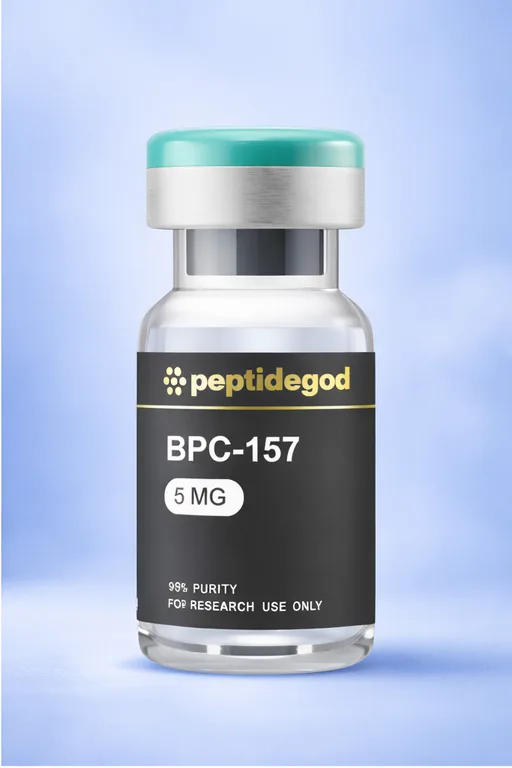 Bpc 157
BPC 157 Peptide
Best Value(124)In the high-intensity world of bodybuilding and strength sports, the joints and ligaments often fail before the muscles do. BPC-157 Vials are a staple in the protocols of elite strength athletes who need to keep their frame resilient under massive loads. Heavy lifting causes micr
- HPLC ≥99%
- 3rd-party tested
- Free shipping
$35.00Order - #4
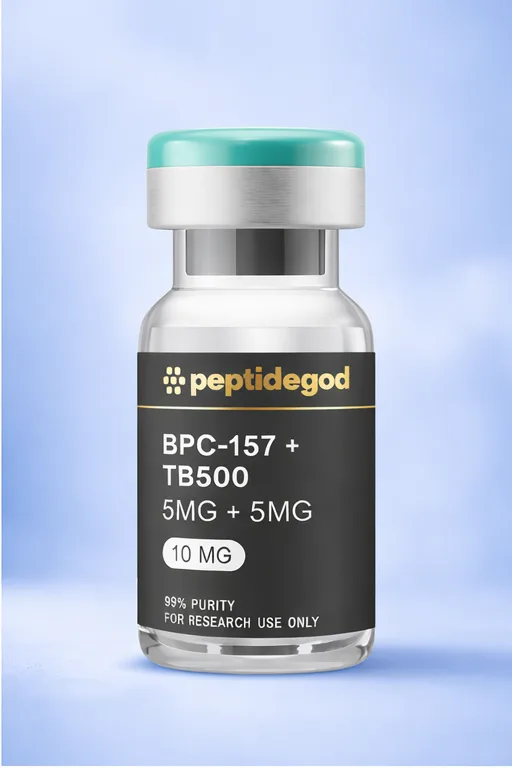 Bpc 157
BPC-157 + TB500 5 MG + 5 MG (TOTAL 10 MG
Top Stack(161)BPC-157 Vials are designed for those who need an immediate and powerful biological signal for tissue repair. As a lyophilized powder, this peptide remains in a state of suspended animation, preserving its delicate 15-amino-acid chain until the moment of reconstitution. Once injec
- HPLC ≥99%
- 3rd-party tested
- Free shipping
$60.00Order - #5
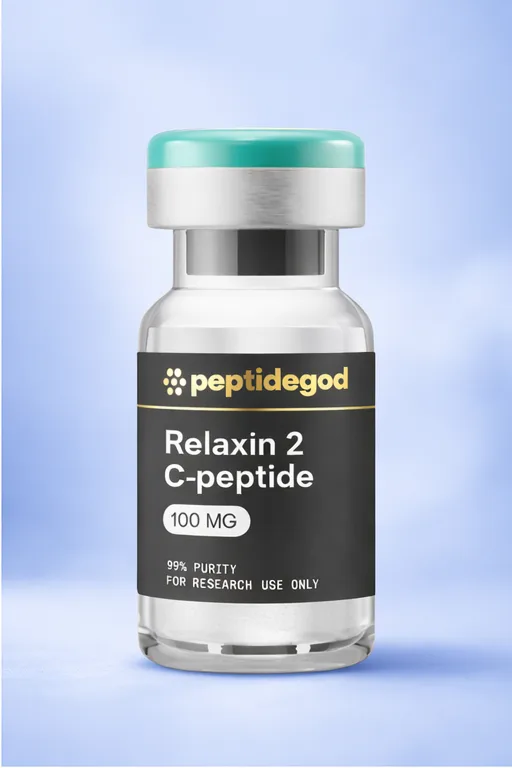 Bpc 157
Relaxin 2 C-peptide (56-129) (Human)
Editor’s Pick(198)Human Relaxin 2 C-peptide (56-129) is a specialized research tool designed for investigating cardiovascular hemodynamics and tissue remodeling. As a key fragment of the prorelaxin molecule, this peptide is essential for studies involving vasodilation and heart failure management.
- HPLC ≥99%
- 3rd-party tested
- Free shipping
$428.00Order - #6Bpc 157
Relaxin 2 (Human)
New(235)Relaxin 2 (Human) is a potent pleiotropic hormone renowned for its significant impact on cardiovascular hemodynamics. As the mature form of the relaxin-2 peptide, it plays a critical role in regulating systemic vascular resistance and improving cardiac output. Researchers utilize
- HPLC ≥99%
- 3rd-party tested
- Free shipping
$475.00Order - #7
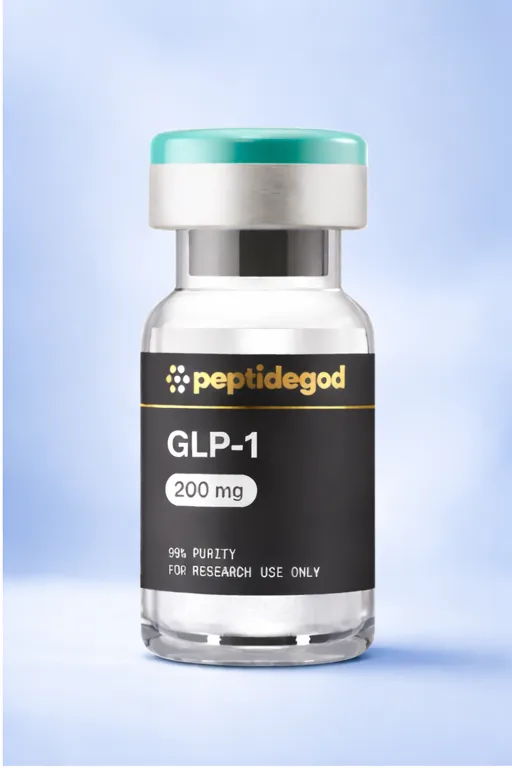 Bpc 157
GLP-1 (Human, Rat, Mouse, Porcine, Bovine, Canine, Ovine)
Trending(52)Human GLP-1 (Glucagon-Like Peptide-1) is a critical incretin hormone essential for studying glucose-dependent insulin secretion. This mature peptide is the primary focus for researchers investigating Type 2 Diabetes (T2D) treatments. Our lyophilized vials contain high-purity Huma
- HPLC ≥99%
- 3rd-party tested
- Free shipping
$104.00Order
See top-rated vendors
Compare prices, purity and shipping at a glance.
Reviewed by the Bpc 157 Research Team · Last updated May 2026
References & Scientific Sources
- Chang C-H, et al. Pentadecapeptide BPC 157 enhances tendon fibroblast outgrowth. J Appl Physiol. 2011.
- Sikiric P, et al. BPC 157 and standard angiogenic growth factors. Curr Pharm Des. 2018.
- Seiwerth S, et al. BPC 157 and blood-vessel recruitment in healing. Curr Pharm Des. 2018.
Sources are provided for educational reference. This content is informational and not a substitute for professional medical advice.