Buy BPC-157 Online
Buy BPC-157 Online
What Is BPC-157 and Why Researchers Source It
BPC-157, or Body Protection Compound-157, is a synthetic pentadecapeptide derived from a protein found in human gastric juice. Its sequence consists of 15 amino acids: Gly-Glu-Pro-Pro-Pro-Gly-Lys-Pro-Ala-Asp-Asp-Ala-Gly-Leu-Val. Unlike many research peptides that originate from hormonal pathways, BPC-157 has no known endogenous counterpart at full length, making it a purpose-built tool for studying cellular regeneration and wound healing in preclinical models. Research laboratories, academic institutions, and independent investigators purchase bpc157 specifically because its systemic and local administration profiles differ from growth factors or anabolic peptides, allowing more targeted study designs focused on connective tissue, gut epithelium, and vascular remodeling.
Studies published in peer-reviewed journals such as the Journal of Physiology-Paris and Current Neuropharmacology have examined BPC-157 in rodent models of tendon transection, gastric ulceration, and inflammatory bowel conditions. The peptide's stability in human gastric juice — from which its parent sequence was originally isolated — gives it an unusual resistance to enzymatic degradation compared to shorter peptides, which is one reason researchers consider it a tractable candidate for oral as well as injectable administration protocols in animal studies.
Forms Available When You Buy BPC-157 Online
When sourcing BPC-157 for research, buyers will typically encounter two primary salt forms: BPC-157 acetate and BPC-157 arginate (also written as BPC-157 with an added arginine moiety). The acetate form is the most widely studied and corresponds most directly to the sequences used in published rodent research. The arginate salt is marketed by some suppliers as offering improved water solubility and potentially greater stability at physiological pH, though peer-reviewed comparisons between the two forms in vivo remain limited as of 2024. Researchers should match the form to the study design and, where possible, to the form used in the reference literature they are replicating.
Lyophilized powder is the standard packaging format for bpc157 sold online. Vials typically range from 2 mg to 10 mg per unit. Reconstitution is performed with bacteriostatic water or sterile saline, and the resulting solution should be stored at 2–8 degrees Celsius and used within 28 days once reconstituted. Some suppliers also offer pre-mixed nasal sprays or oral solutions, though these formats complicate dosimetry precision and are generally less suitable for controlled research applications.
Key Quality Indicators to Evaluate Before Purchase
The quality landscape for research peptides sold online is uneven. Laboratories and researchers purchasing BPC-157 should apply a consistent evaluation framework before committing to a supplier. The most informative document a supplier can provide is a certificate of analysis generated by an independent third-party laboratory using high-performance liquid chromatography (HPLC) and mass spectrometry (MS). HPLC purity should be stated as a percentage, with reputable suppliers reporting figures above 98 percent. Mass spectrometry confirms the molecular weight matches the expected value for BPC-157, which is 1419.53 g/mol for the free acid form.
- Third-party HPLC purity certificate dated within 12 months of purchase
- Mass spectrometry confirmation of molecular weight (1419.53 g/mol)
- Endotoxin testing report (LAL assay), especially important for injectable research applications
- Sterility testing documentation for vials intended for in vivo use
- Clear lot or batch number linking the product to its CoA
- Transparent supplier contact information and verifiable business registration
Suppliers who do not publish or provide CoAs on request should be avoided. Contaminated or mislabeled peptides not only waste research budget but can invalidate experimental results entirely, particularly in studies where dose-response relationships are critical to the conclusions.
Legal and Regulatory Considerations for Research Procurement
BPC-157 is not approved by the FDA, EMA, or equivalent regulatory bodies in most countries for therapeutic use in humans or animals. It is classified as a research chemical in the United States, meaning it may be legally purchased, possessed, and used for legitimate in vitro and in vivo research purposes but may not be marketed with claims of human health benefit. Researchers operating within institutional settings should verify that their procurement and use of BPC-157 complies with institutional animal care and use committee (IACUC) protocols and applicable federal or state regulations governing research chemicals.
In Australia, BPC-157 was scheduled as a prescription-only substance in 2023 under the Therapeutic Goods Administration's scheduling framework, making over-the-counter or online purchase without a prescription non-compliant. Researchers in the UK, Canada, and the European Union operate under varying frameworks; independent verification of local regulations is essential before any purchase. This article is provided for informational purposes only and does not constitute legal or medical advice.
Shipping, Storage, and Handling Best Practices
Proper cold-chain logistics are critical for maintaining peptide integrity during transit. When you buy bpc157 online, verify that the supplier ships with cold packs for lyophilized products, particularly during warm months or for international shipments that may spend multiple days in transit. Lyophilized BPC-157 is relatively stable at room temperature for short periods — studies suggest minimal degradation over several days below 25 degrees Celsius — but prolonged heat exposure accelerates deamidation and oxidative degradation.
Upon receipt, lyophilized vials should be inspected for physical integrity, stored at minus 20 degrees Celsius for long-term archival, and moved to refrigerator temperature only when ready for use. Repeated freeze-thaw cycles degrade peptide bonds and reduce effective concentration; aliquoting into single-use volumes before freezing is standard practice in well-run research settings. Reconstituted solutions should never be frozen, as ice crystal formation disrupts peptide structure and creates particulate matter that can compromise injection safety in animal models.
Recommended products
- #1
 30 capsules.webp) Bpc 157
Bpc 157BPC-157 Capsules (500mcg)
Best Seller(50)BPC-157 Capsules offer a revolutionary approach to body recovery and tissue repair in a highly convenient oral format. Known as the "Body Protection Compound," BPC-157 is a sequence of 15 amino acids that triggers profound regenerative processes within the human body. Our premium
- HPLC ≥99%
- 3rd-party tested
- Free shipping
$70.00Order - #2
 60 capsules.webp) Bpc 157
Bpc 157BPC-157 Capsules (500mcg)
Most Popular(87)Many people reach for Ibuprofen or other NSAIDs to manage pain, but these can often damage the gut lining and slow down actual tissue repair. BPC-157 Capsules offer a smarter, healthier alternative. Instead of merely masking pain, BPC-157 works as a biological repair signal that
- HPLC ≥99%
- 3rd-party tested
- Free shipping
$130.00Order - #3
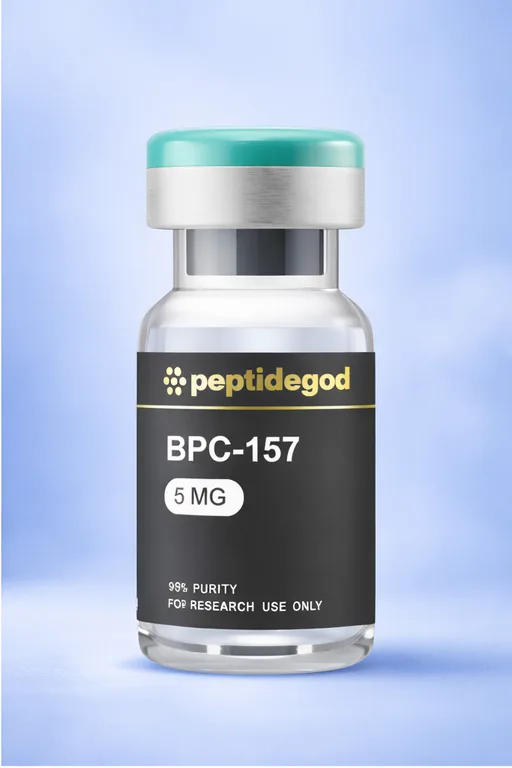 Bpc 157
BPC 157 Peptide
Best Value(124)In the high-intensity world of bodybuilding and strength sports, the joints and ligaments often fail before the muscles do. BPC-157 Vials are a staple in the protocols of elite strength athletes who need to keep their frame resilient under massive loads. Heavy lifting causes micr
- HPLC ≥99%
- 3rd-party tested
- Free shipping
$35.00Order - #4
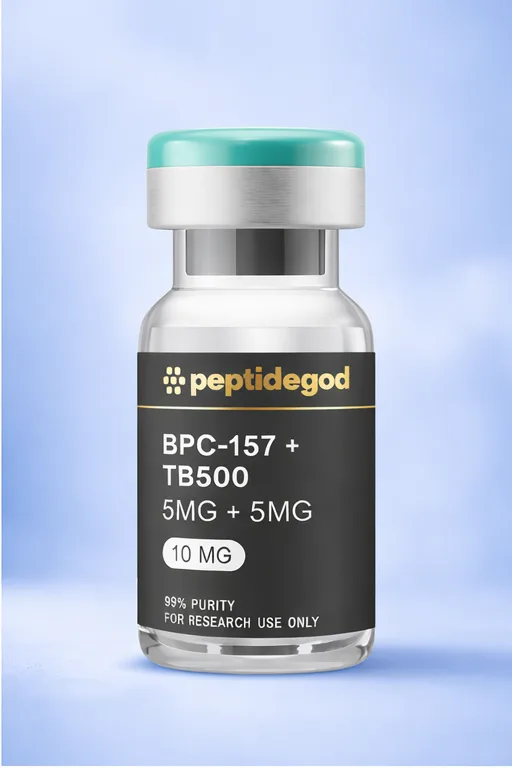 Bpc 157
BPC-157 + TB500 5 MG + 5 MG (TOTAL 10 MG
Top Stack(161)BPC-157 Vials are designed for those who need an immediate and powerful biological signal for tissue repair. As a lyophilized powder, this peptide remains in a state of suspended animation, preserving its delicate 15-amino-acid chain until the moment of reconstitution. Once injec
- HPLC ≥99%
- 3rd-party tested
- Free shipping
$60.00Order - #5
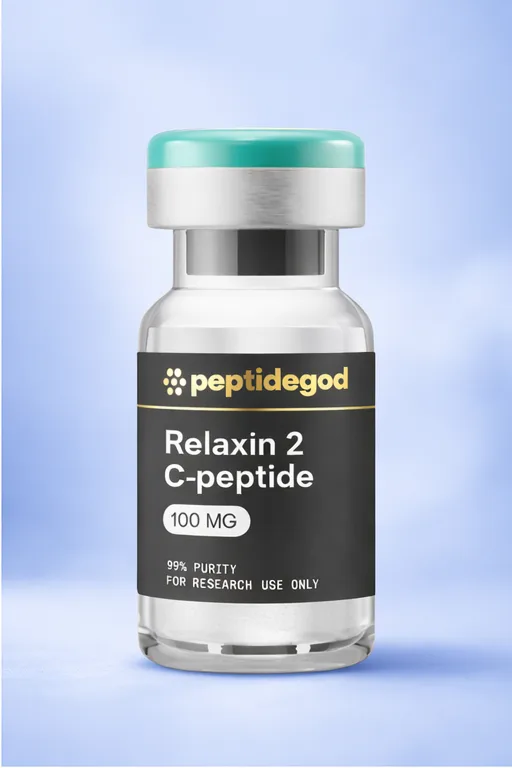 Bpc 157
Relaxin 2 C-peptide (56-129) (Human)
Editor’s Pick(198)Human Relaxin 2 C-peptide (56-129) is a specialized research tool designed for investigating cardiovascular hemodynamics and tissue remodeling. As a key fragment of the prorelaxin molecule, this peptide is essential for studies involving vasodilation and heart failure management.
- HPLC ≥99%
- 3rd-party tested
- Free shipping
$428.00Order - #6Bpc 157
Relaxin 2 (Human)
New(235)Relaxin 2 (Human) is a potent pleiotropic hormone renowned for its significant impact on cardiovascular hemodynamics. As the mature form of the relaxin-2 peptide, it plays a critical role in regulating systemic vascular resistance and improving cardiac output. Researchers utilize
- HPLC ≥99%
- 3rd-party tested
- Free shipping
$475.00Order - #7
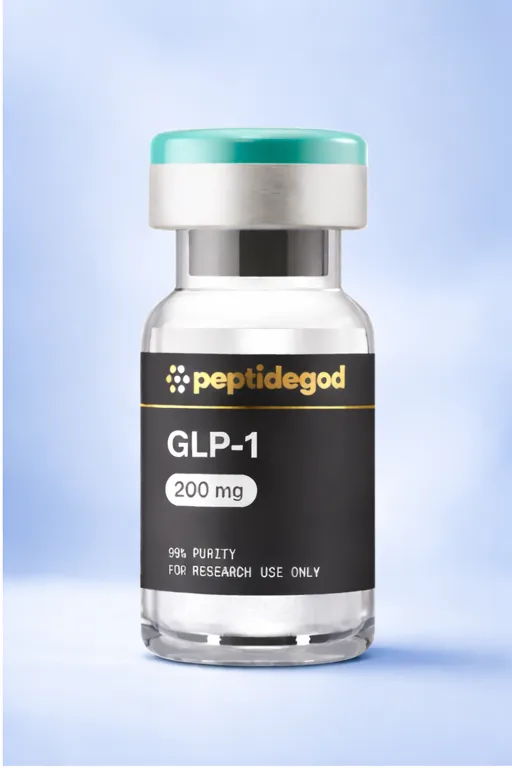 Bpc 157
GLP-1 (Human, Rat, Mouse, Porcine, Bovine, Canine, Ovine)
Trending(52)Human GLP-1 (Glucagon-Like Peptide-1) is a critical incretin hormone essential for studying glucose-dependent insulin secretion. This mature peptide is the primary focus for researchers investigating Type 2 Diabetes (T2D) treatments. Our lyophilized vials contain high-purity Huma
- HPLC ≥99%
- 3rd-party tested
- Free shipping
$104.00Order
See top-rated vendors
Compare prices, purity and shipping at a glance.
Reviewed by the Bpc 157 Research Team · Last updated May 2026
References & Scientific Sources
- Chang C-H, et al. Pentadecapeptide BPC 157 enhances tendon fibroblast outgrowth. J Appl Physiol. 2011.
- Sikiric P, et al. BPC 157 and standard angiogenic growth factors. Curr Pharm Des. 2018.
- Seiwerth S, et al. BPC 157 and blood-vessel recruitment in healing. Curr Pharm Des. 2018.
Sources are provided for educational reference. This content is informational and not a substitute for professional medical advice.