Best BPC-157 for Recovery
Best BPC-157 for Recovery
What Makes BPC-157 Relevant to Recovery Research
BPC-157, short for Body Protection Compound-157, is a synthetic pentadecapeptide composed of 15 amino acids. It was derived from a protein found in human gastric juice and has been studied extensively in preclinical models for its potential role in accelerating tissue repair. The compound has attracted significant interest in the research community because it appears to influence several overlapping biological pathways simultaneously, including angiogenesis, collagen synthesis, and growth factor signaling. Unlike single-mechanism compounds, BPC-157 seems to modulate nitric oxide production and interact with the tendon-to-bone junction at a cellular level, which is why so many recovery-focused researchers have prioritized it in their study protocols.
Animal studies have documented measurable improvements in the healing of tendons, ligaments, muscles, and bone under BPC-157 administration. These findings have driven demand among researchers looking for a compound that addresses connective tissue repair broadly rather than targeting one narrow tissue type.
Forms and Formulations: What Researchers Evaluate
BPC-157 is most commonly available in two forms: the acetate salt (BPC-157 acetate) and the arginine salt (BPC-157 arginine). The acetate form has the longer published research record and appears in the majority of peer-reviewed animal studies. The arginine salt version is a newer formulation that some suppliers claim is more water-stable, though the clinical research base comparing the two directly is still limited. For researchers choosing between them, the acetate form is generally considered the reference standard given its presence across the most-cited studies.
Lyophilized (freeze-dried) powder is considered the most stable storage form. Reconstituted solutions should be kept refrigerated and used within a defined window to maintain peptide integrity. Researchers sourcing bpc157 for laboratory protocols should verify that the supplier provides certificates of analysis from third-party labs confirming purity, typically at 98% or higher, along with mass spectrometry data to confirm the correct molecular sequence.
Key Criteria for Identifying High-Quality BPC-157
Not all research peptides are manufactured to the same standard, and quality variation is one of the most significant variables in any study design. When evaluating suppliers, researchers typically apply the following criteria:
- Third-party HPLC and mass spectrometry testing with published certificates of analysis
- Purity of 98% or greater with low endotoxin levels, especially for in vitro work
- Clearly labeled molecular weight and amino acid sequence matching the published BPC-157 structure
- Cold-chain shipping to preserve lyophilized integrity during transit
- Transparent manufacturing origin, preferably from GMP-compliant facilities
Sourcing bpc157 from suppliers who skip third-party verification introduces uncontrolled variables that can compromise research validity. Impurities or degraded peptide chains may produce results that do not replicate across studies, undermining the entire research effort.
Mechanisms Studied in Preclinical Recovery Models
Tendon and Ligament Repair
Some of the most replicated findings in BPC-157 research involve tendon healing. Studies in rat models with transected Achilles tendons have shown that treated subjects exhibited faster functional recovery and greater tensile strength at the repair site compared to controls. The proposed mechanism involves upregulation of growth hormone receptor expression at the local tissue level, as well as enhanced formation of granulation tissue and collagen deposition. These findings are particularly relevant to musculoskeletal recovery research where tendon-to-bone interfaces are often the rate-limiting factor.
Muscle and Gut Tissue
BPC-157 research has also explored its effects on muscle crush injuries and gastrointestinal tissue integrity. In gut-related models, the compound has shown potential to accelerate the healing of ulcers and intestinal anastomoses. Some researchers hypothesize that its gastroprotective effects are mediated through stabilization of the nitric oxide system and modulation of prostaglandin activity. In muscle injury models, treated animals showed reduced inflammatory markers and faster return to functional movement, suggesting an anti-inflammatory component alongside the regenerative effects.
Research Protocols and Dosing Observations
Published animal studies have used a wide range of dosing parameters, making direct cross-study comparison challenging. Common dosing ranges cited in the literature fall between 1 mcg/kg and 10 mcg/kg of body weight, administered intraperitoneally or subcutaneously depending on the study design. Some protocols examine systemic administration while others use localized injection near the injury site. Route of administration appears to influence outcome in some models, which is an important variable for researchers designing their own protocols around bpc157.
It is important to note that all existing research on BPC-157 has been conducted in animal models. No large-scale, peer-reviewed human clinical trials have been completed as of the current date. Any application in human research contexts should be approached with appropriate ethical oversight and regulatory awareness. This article is intended strictly as an informational resource for research purposes and does not constitute medical advice.
Choosing a Supplier for Research Use
For researchers seeking the best BPC-157 for recovery-focused studies, the emphasis should be placed entirely on verification and transparency rather than price alone. Reputable suppliers publish their CoA documents publicly, respond to technical inquiries about synthesis methods, and do not make therapeutic or clinical claims that fall outside regulatory boundaries. Batch-to-batch consistency is another marker of a reliable source, since variability between lots can introduce noise into longitudinal study designs. Researchers should also confirm that the supplier's labeling complies with applicable regulations for research reagents, including clear disclaimers about the compound's status as a research chemical not intended for human or veterinary use.
Recommended products
- #1
 30 capsules.webp) Bpc 157
Bpc 157BPC-157 Capsules (500mcg)
Best Seller(50)BPC-157 Capsules offer a revolutionary approach to body recovery and tissue repair in a highly convenient oral format. Known as the "Body Protection Compound," BPC-157 is a sequence of 15 amino acids that triggers profound regenerative processes within the human body. Our premium
- HPLC ≥99%
- 3rd-party tested
- Free shipping
$70.00Order - #2
 60 capsules.webp) Bpc 157
Bpc 157BPC-157 Capsules (500mcg)
Most Popular(87)Many people reach for Ibuprofen or other NSAIDs to manage pain, but these can often damage the gut lining and slow down actual tissue repair. BPC-157 Capsules offer a smarter, healthier alternative. Instead of merely masking pain, BPC-157 works as a biological repair signal that
- HPLC ≥99%
- 3rd-party tested
- Free shipping
$130.00Order - #3
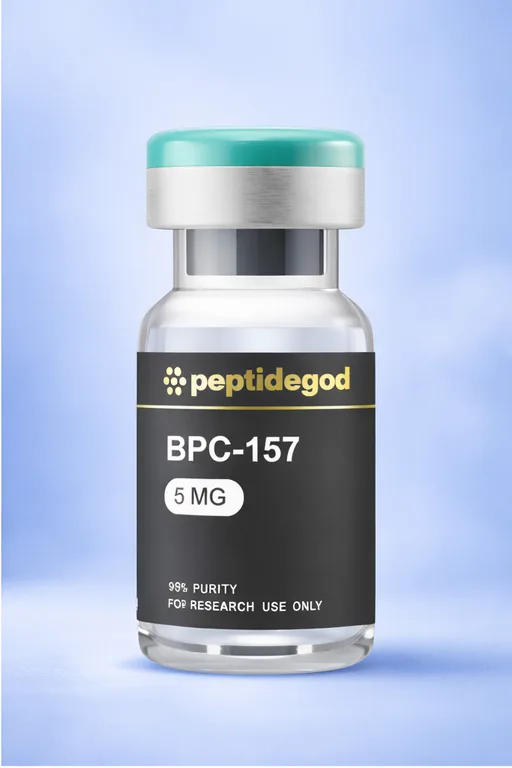 Bpc 157
BPC 157 Peptide
Best Value(124)In the high-intensity world of bodybuilding and strength sports, the joints and ligaments often fail before the muscles do. BPC-157 Vials are a staple in the protocols of elite strength athletes who need to keep their frame resilient under massive loads. Heavy lifting causes micr
- HPLC ≥99%
- 3rd-party tested
- Free shipping
$35.00Order - #4
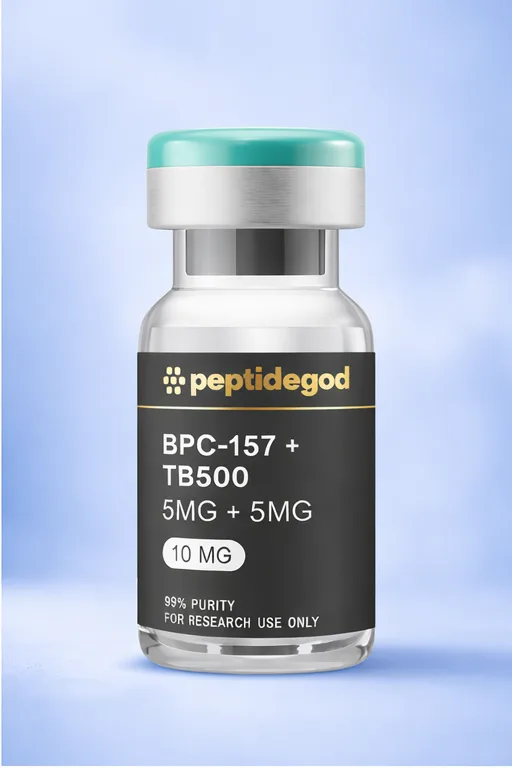 Bpc 157
BPC-157 + TB500 5 MG + 5 MG (TOTAL 10 MG
Top Stack(161)BPC-157 Vials are designed for those who need an immediate and powerful biological signal for tissue repair. As a lyophilized powder, this peptide remains in a state of suspended animation, preserving its delicate 15-amino-acid chain until the moment of reconstitution. Once injec
- HPLC ≥99%
- 3rd-party tested
- Free shipping
$60.00Order - #5
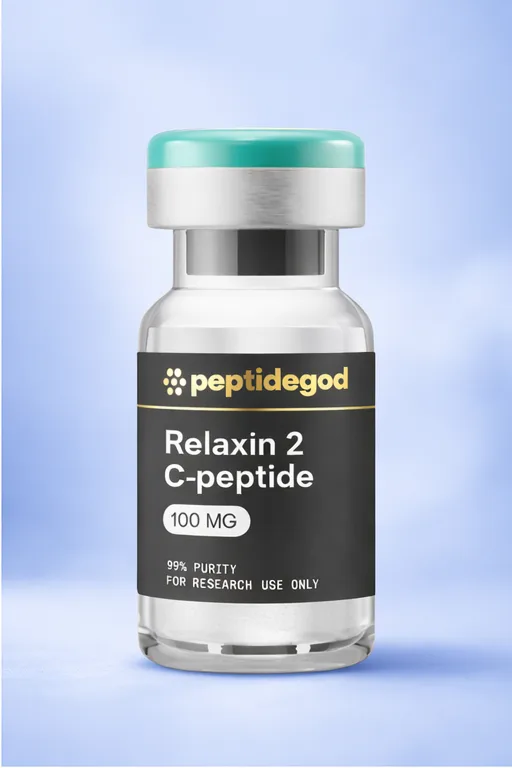 Bpc 157
Relaxin 2 C-peptide (56-129) (Human)
Editor’s Pick(198)Human Relaxin 2 C-peptide (56-129) is a specialized research tool designed for investigating cardiovascular hemodynamics and tissue remodeling. As a key fragment of the prorelaxin molecule, this peptide is essential for studies involving vasodilation and heart failure management.
- HPLC ≥99%
- 3rd-party tested
- Free shipping
$428.00Order - #6Bpc 157
Relaxin 2 (Human)
New(235)Relaxin 2 (Human) is a potent pleiotropic hormone renowned for its significant impact on cardiovascular hemodynamics. As the mature form of the relaxin-2 peptide, it plays a critical role in regulating systemic vascular resistance and improving cardiac output. Researchers utilize
- HPLC ≥99%
- 3rd-party tested
- Free shipping
$475.00Order - #7
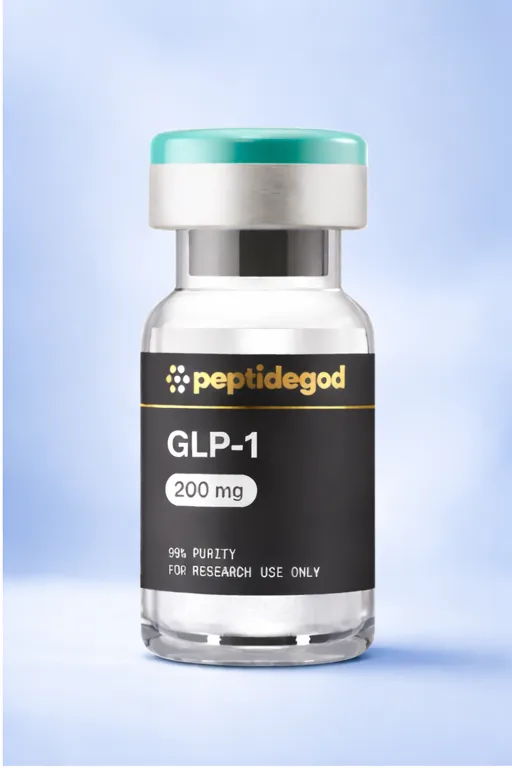 Bpc 157
GLP-1 (Human, Rat, Mouse, Porcine, Bovine, Canine, Ovine)
Trending(52)Human GLP-1 (Glucagon-Like Peptide-1) is a critical incretin hormone essential for studying glucose-dependent insulin secretion. This mature peptide is the primary focus for researchers investigating Type 2 Diabetes (T2D) treatments. Our lyophilized vials contain high-purity Huma
- HPLC ≥99%
- 3rd-party tested
- Free shipping
$104.00Order
See top-rated vendors
Compare prices, purity and shipping at a glance.
Reviewed by the Bpc 157 Research Team · Last updated May 2026
References & Scientific Sources
- Chang C-H, et al. Pentadecapeptide BPC 157 enhances tendon fibroblast outgrowth. J Appl Physiol. 2011.
- Sikiric P, et al. BPC 157 and standard angiogenic growth factors. Curr Pharm Des. 2018.
- Seiwerth S, et al. BPC 157 and blood-vessel recruitment in healing. Curr Pharm Des. 2018.
Sources are provided for educational reference. This content is informational and not a substitute for professional medical advice.